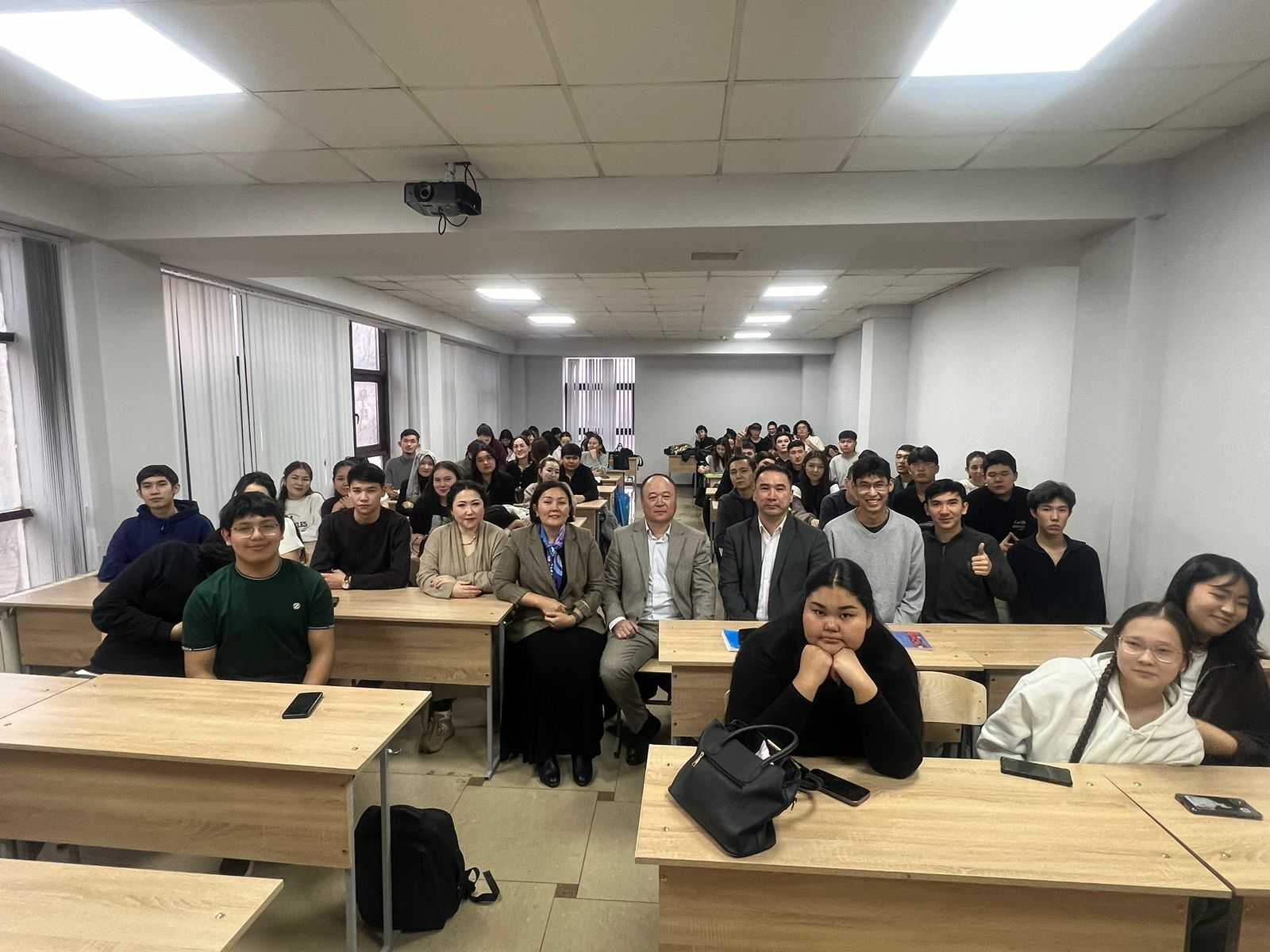
Today, at the Higher School of Arts and
Humanities of Astana International University, as part of the "Kazakh
Nomadic Civilization" module, Professor Ulan Umitkaliyev, PhD in History,
delivered a lecture on "Saka Civilization: An Archaeological
Analysis."
During the event, attendees were introduced to
the latest scientific research on the Saka era, as well as modern methods for
analyzing archaeological sources. In his lecture, the professor covered in
detail the social structure of Saka society, its material culture, mythological
worldview, and its influence on the formation of the Eurasian cultural space.
Particular attention was paid to archaeological discoveries of recent years.
Faculty and students from the Design program at
the Higher School of Arts and Humanities participated in the lecture, providing
the opportunity to discuss current issues in the study of the history of
civilizations and exchange opinions on the materials presented.Throughout the
lecture, the scholar presented new scientific perspectives on the social
structure of Saka society, burial traditions, stylistic and symbolic features
of artifacts, and the interconnectedness of nomadic cultures across the
Eurasian steppe. Drawing upon recent archaeological studies, Ulan Umitkaliuly
provided concrete evidence supporting the scientific basis of the concept of
nomadic civilization and offered a comprehensive explanation of the
achievements and current directions of modern Kazakhstani archaeology.
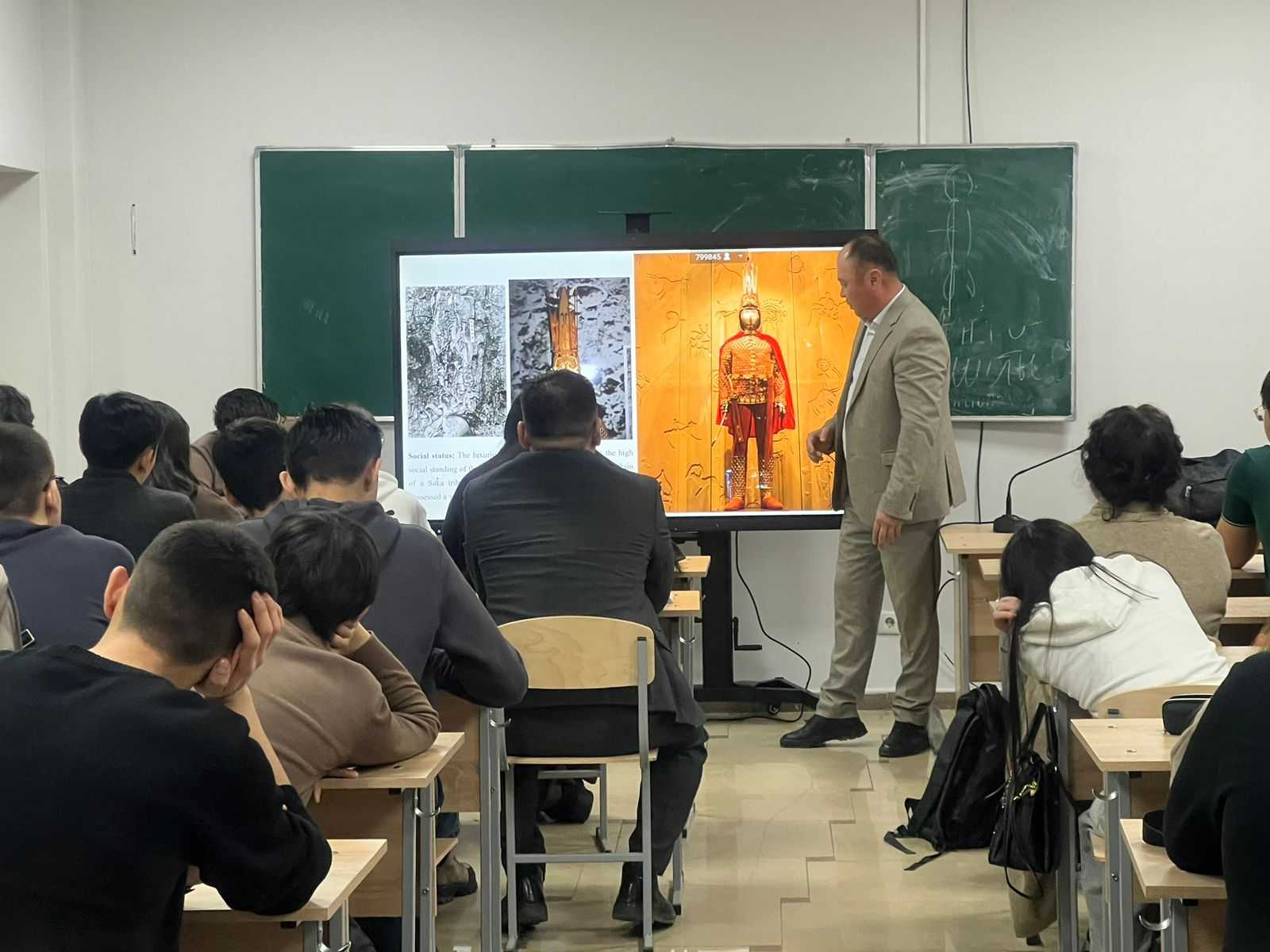
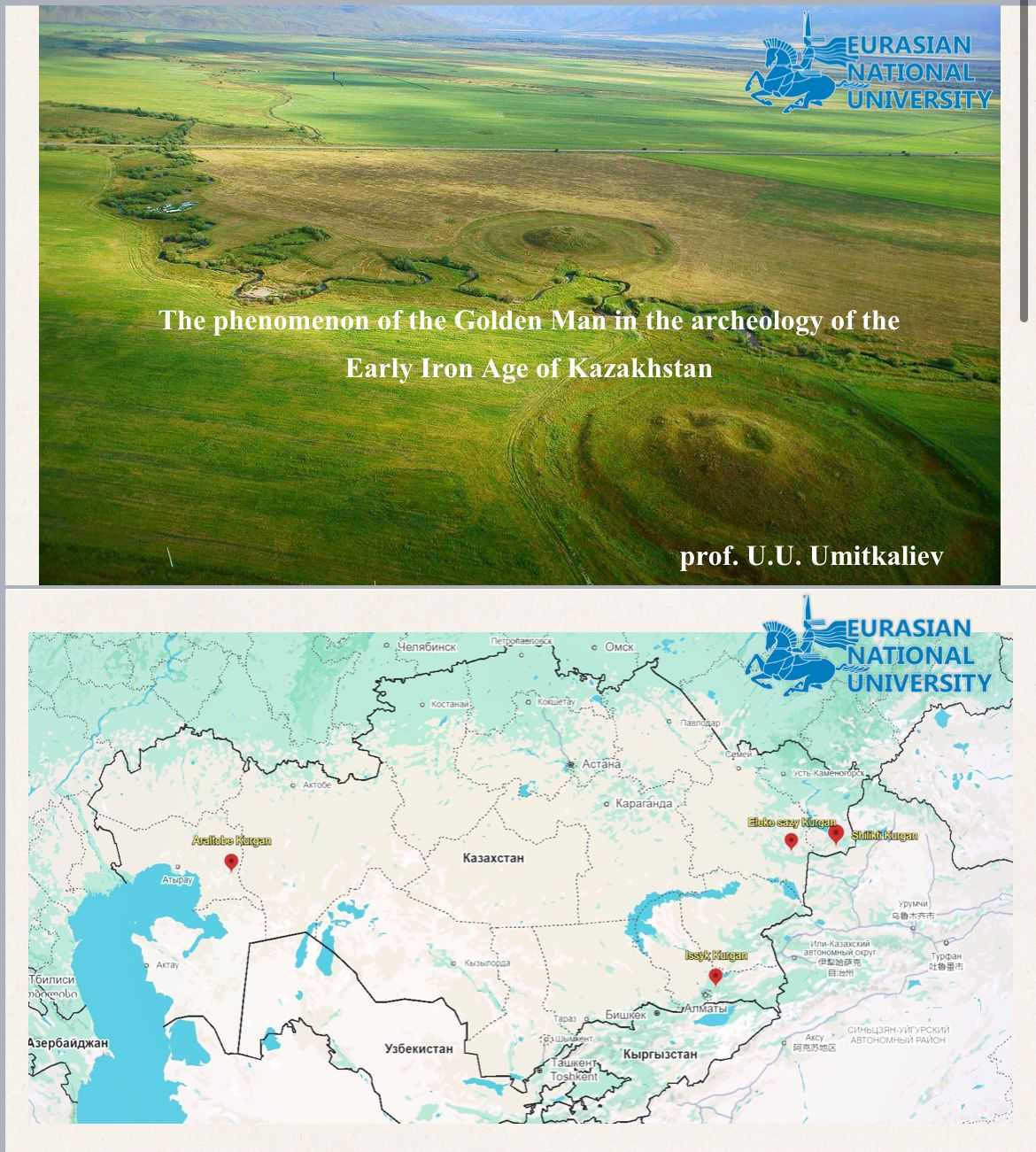
As the professor highlighted, the eight “Golden
Man” complexes discovered in various regions of Kazakhstan serve as clear
evidence of the high artistic level and complex ideological system of Saka-era
culture. He also emphasized that nearly 20,000 burial mounds and settlements
from the Early Iron Age in the Kazakh steppe remain insufficiently researched,
making this field a significant scientific arena for future young
archaeologists.
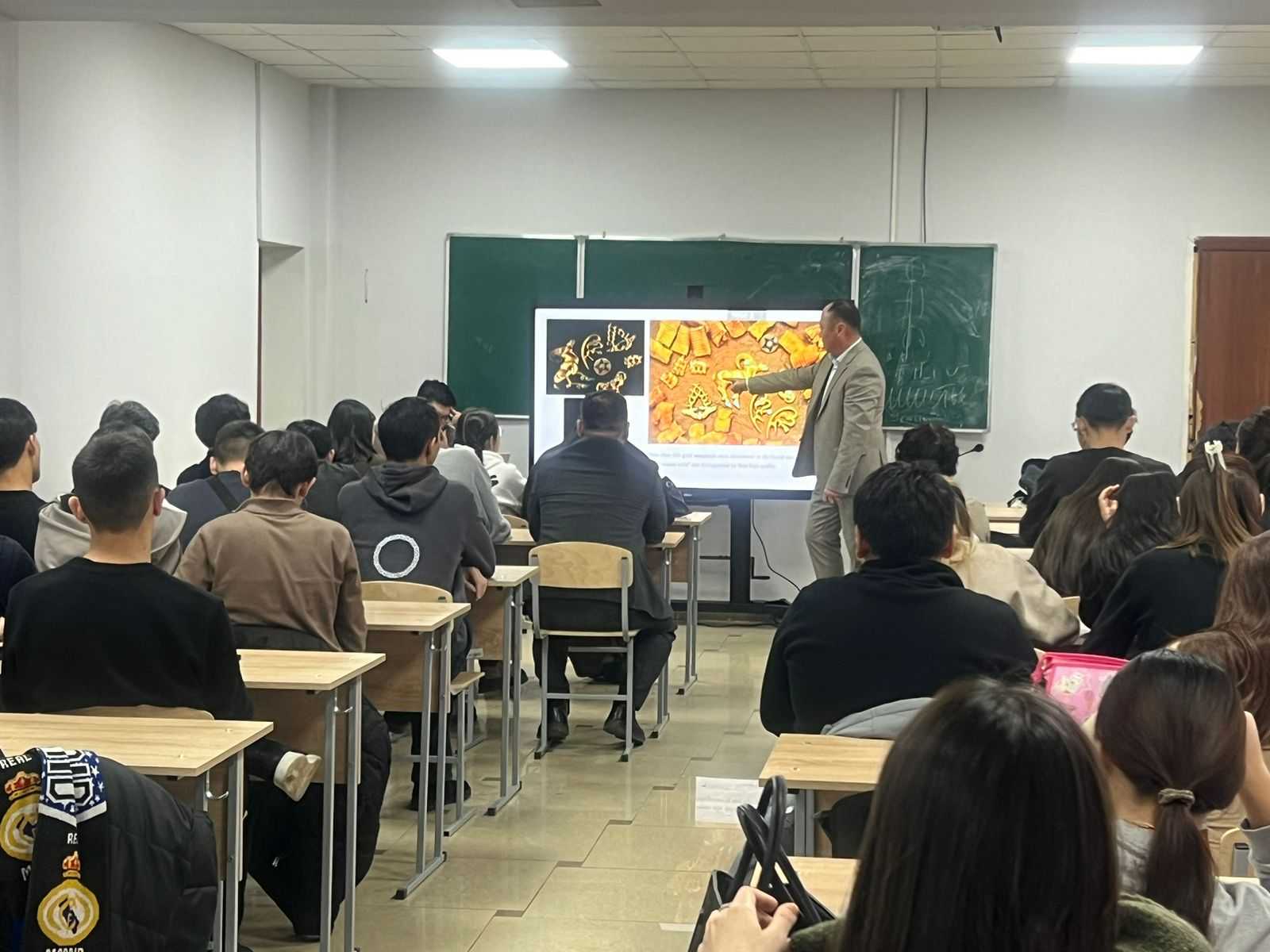
Every slide presented during the lecture was
supported with concrete scientific data based on archaeological materials,
radiocarbon analyses, petrographic studies, and comparative cultural research.
This new information broadened the academic perspective of students and
master’s candidates and further strengthened their interest in research.